Section 106 Adverse Effects and Mitigation Strategies
Section 106: Determination of Effects
Under Section 106 the Federal agency responsible for an undertaking ultimately determine the effects on historic properties in consultation with SHPO. Often either a Federal agency will initiate Section 106 consultation with us seeking concurrence on their determination directly or an applicant and/or their consultant will initiate Section 106 consultation and forward our letter to the Federal agency.
If there is an effect on a historic property, and depending on the scope and scale of the effect, Section 106 consultation always aims first to avoid and minimize those effects to reach a No Effect, No Adverse Effect, or No Adverse Effect with Conditions implemented determination.
However, if avoidance and minimization are not possible then those adverse effects on historic properties must be resolved through mitigation and a Memorandum of Agreement (MOA).
Memorandum of Agreement
In short, an MOA is a legally binding document that stipulates how a Federal agency will avoid, minimize, and mitigate adverse effects on historic properties. The MOA is primarily drafted by the Federal agency and the undertaking's applicant/stakeholders in consultation with the SHPO, all as signatories to the agreement. The Federal agency also reaches out to the Advisory Council on Historic Preservation (ACHP) if they wish to be party to the agreement, as well Federally-recognized tribes. Other interested parties are also invited to consult as concurring or consulting parties, such as citizens groups, historical societies, etc.
The stipulations explicitly outline the avoidance, minimization, and mitigation efforts, the timeline in which they are to be completed, and how long certain parties have to review and comment on them.
Mitigating Adverse Effects
Resolution of adverse effects to historic properties can take many forms. Explore each section below for examples of the different mitigation strategies used by the North Carolina State Historic Preservation Office. Check out our Mitigation Strategies Catalog for more information on types and examples of strategies.
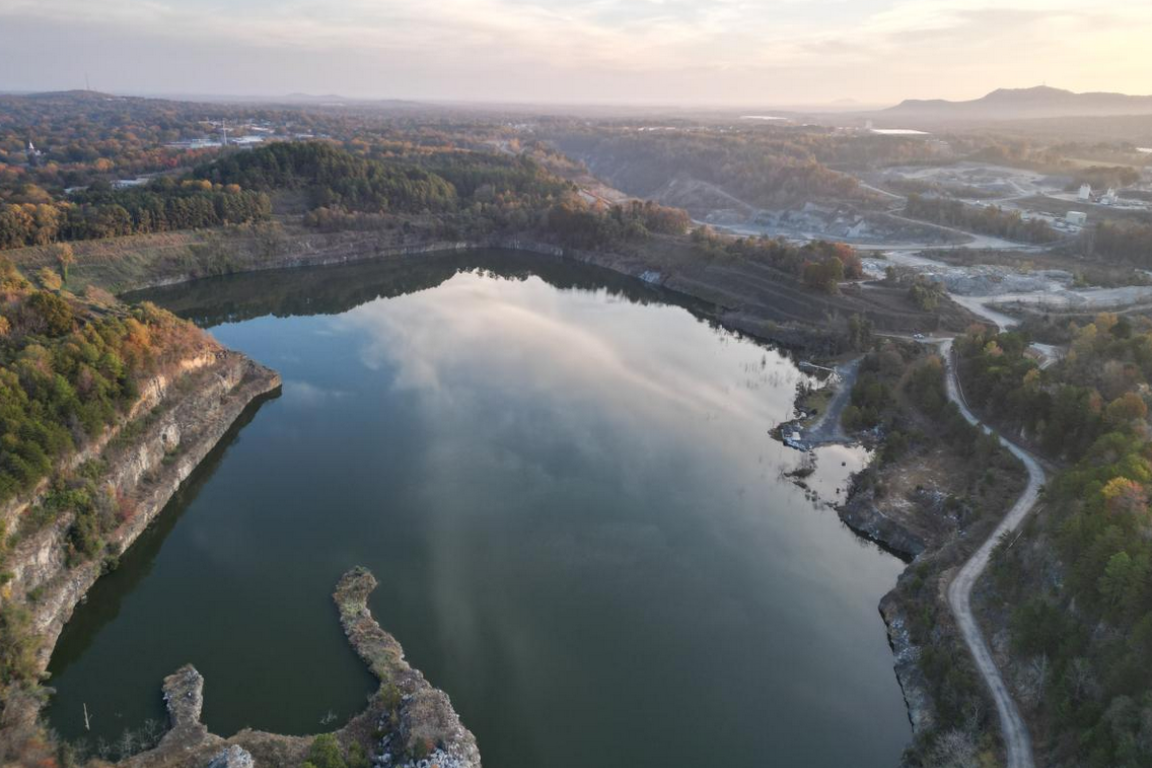
Minimize
It is not uncommon to find water towers within historic districts or within the viewshed of historic districts. Typical minimization efforts include height restrictions, flush antenna installation, and painting of the antenna and cables to match the color of the water tower.
A proposed development adjacent to a National Register-listed property was going to visually adversely affect the historic property due to light pollution as setting was a critical component to the historic property's significance. To minimize those effects and reach a Conditional No Adverse Effect exterior lighting above the second floor were to be down-shielded and certain exterior lighting within the viewshed of the historic property be motion-sensor triggered and not continuously operated.
New construction adjacent to or within historic properties or districts are not uncommon. The needs of today are not necessarily always complimentary to the design, scale, and period of significance of a historic property. or district historic properties. The size, overall massing, and number of stories can be adjust to meet the needs of the development while being complimentary to the a historic property or district.
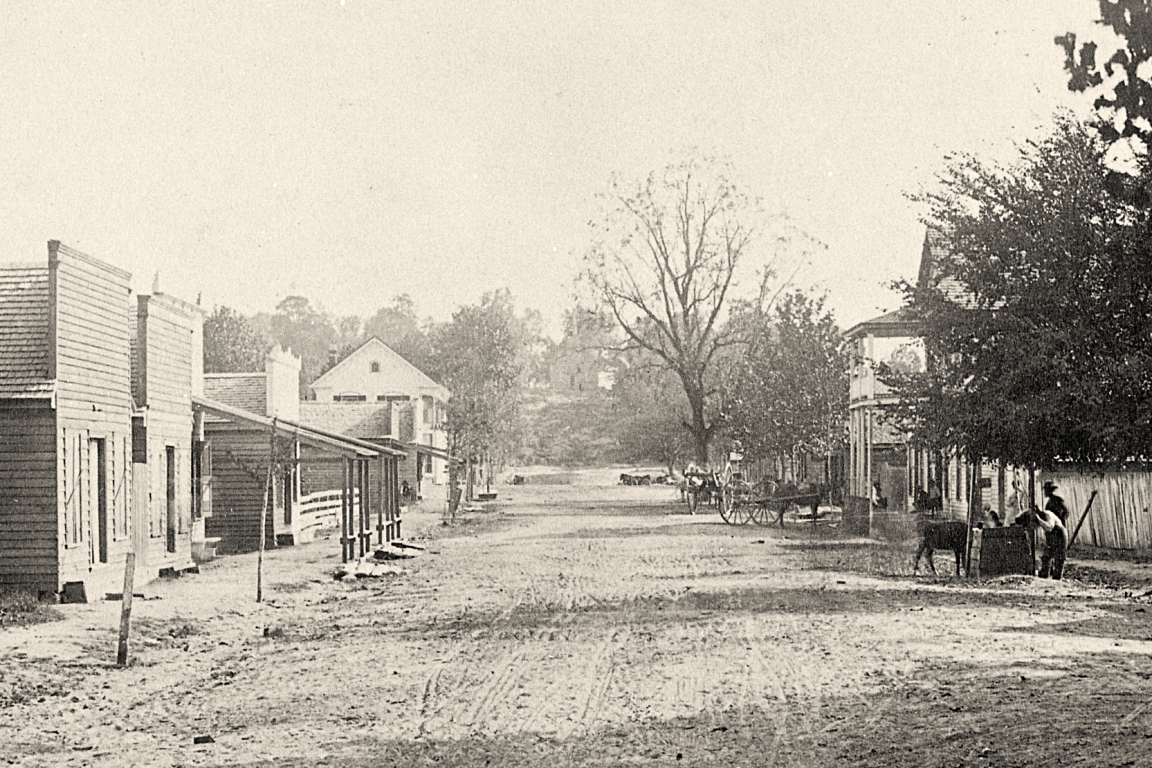
Other examples include historic bridges that need to be replaced, buildings in historic districts to be renovated, or new in-fill constructed. One of the priorities is to ensure that the exterior material is complimentary to the period of significance and the surrounding contributing resources, but not designed in a way to be an imitation. In general, it should be relatively easy to identify what is new versus what is historic.
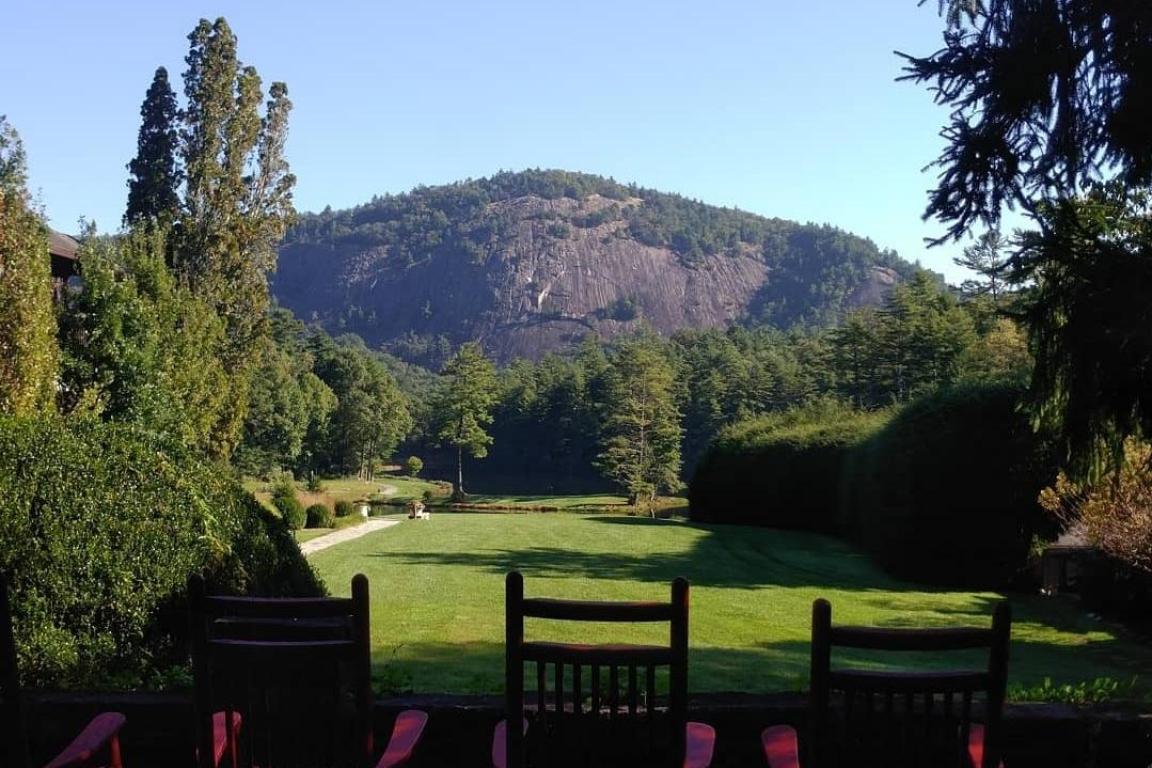
It's not uncommon for projects that affect a setting for a historic property visually to require a vegetative buffer. We often recommend a mixed species, evergreen vegetative buffer, and native, as wide as possible between the project and historic property.
Documentation
Content coming soon.
Rehabilitation/Reuse
Content coming soon.
Design
Complementary, Not Imitation
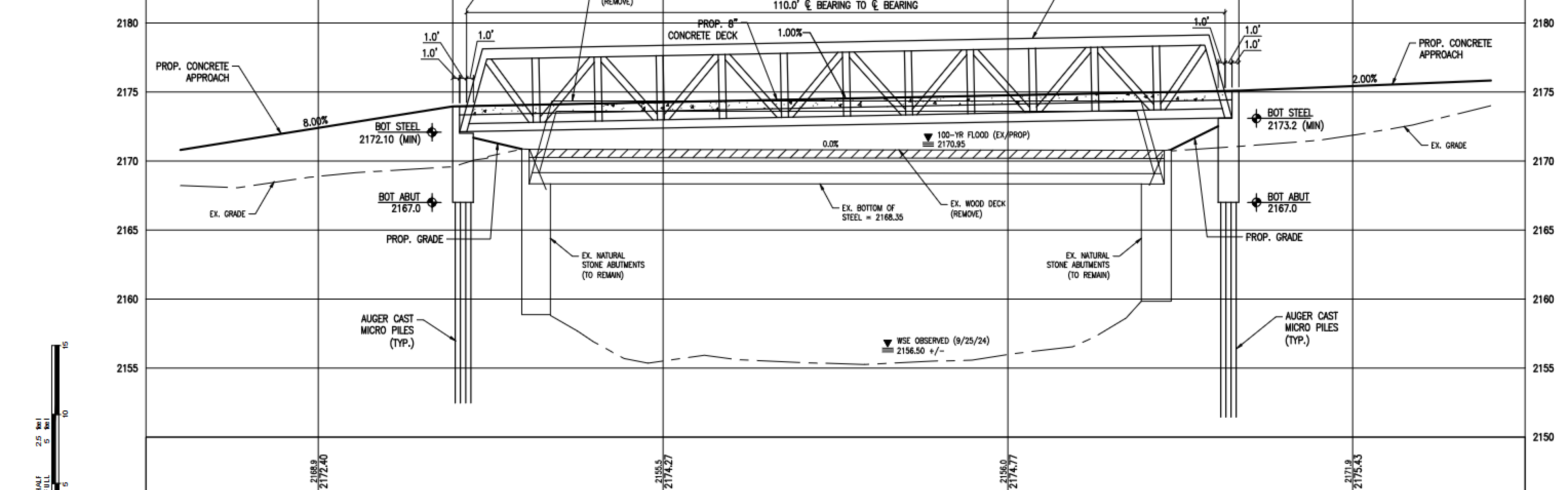
During Section 106 consultation with NFsNC it was determined that the English Chapel Bridge (TV0600) was no longer structurally sound or viable for repair. As such, demolition and replacement was required to meet the needs of the park, public safety, and modern engineering standards. A Memorandum of Agreement was signed and one stipulation was for the new bridge to be designed that compliment the original design of TV0600, but not be a replica, while meeting safety needs and standards.